Opera Outfit Guide: Dress to Impress at Any Performance
Stepping into an opera house is more than just attending a show; it's an immersive experience, a journey into a world of dramatic storytelling, breathtaking music, and often, stunning architecture. Part of embracing this unique cultural event is understanding the tradition and excitement that comes with choosing the perfect opera outfit. Whether you're a seasoned aficionado or a first-time attendee, this comprehensive guide will help you navigate the nuances of opera dress code, ensuring you feel confident and elegant.
The Grand Overture: Decoding Opera Attire
The history of opera fashion mirrors the evolution of society itself, from the elaborate powdered wigs and courtly gowns of the 18th century to the sophisticated elegance of today. While the strictest dress codes have relaxed over time, the essence of dressing for the opera remains: it's about honoring the art form, the performers, and the grand venue itself. Dressing appropriately isn't just a rule; it significantly enhances your overall experience, allowing you to fully immerse yourself in the magic without feeling out of place. This guide aims to strike a perfect balance between respecting tradition and embracing modern style, providing you with all the insights you need to choose the ideal opera outfits for any performance. Get ready to explore what to wear to opera with confidence!
Decoding the Dress Code: From Black Tie to Smart Casual
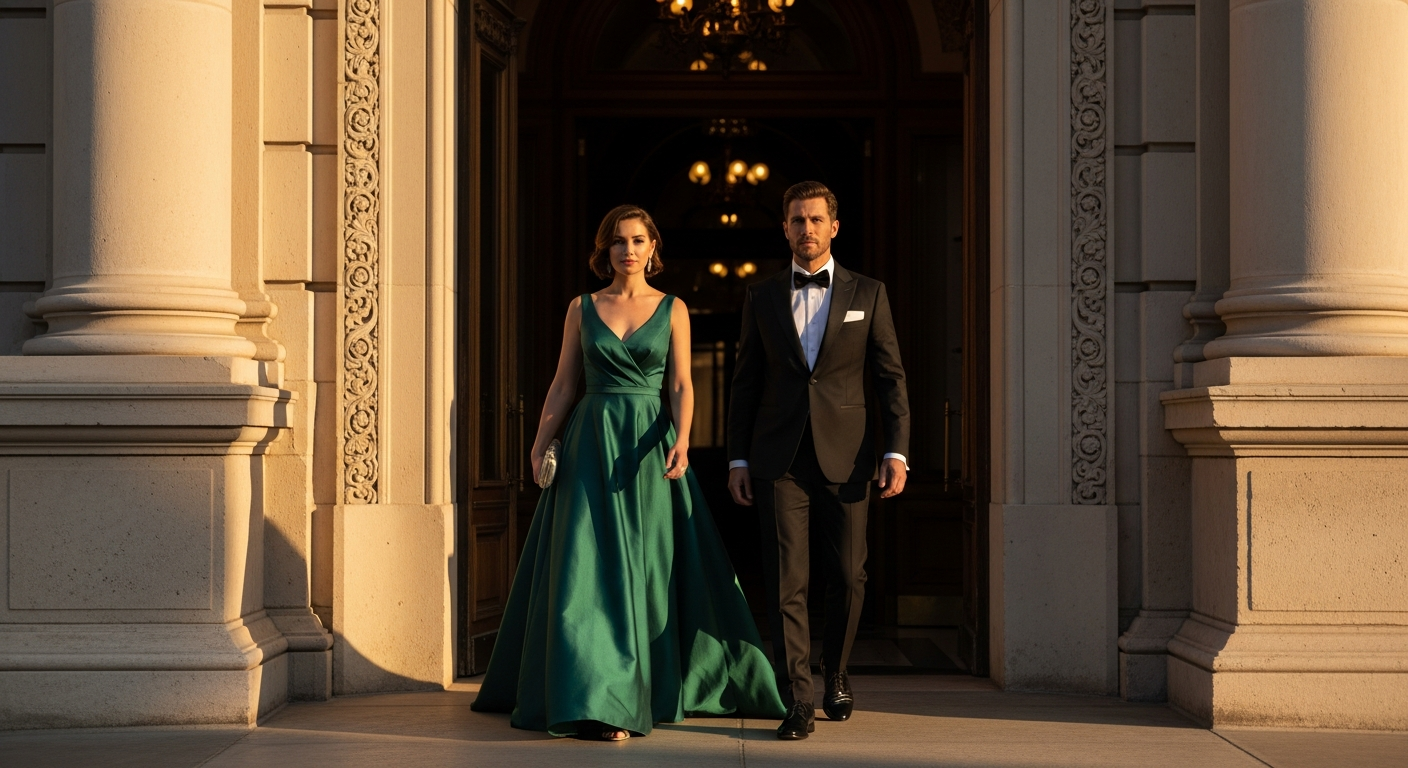
Understanding the specific occasion is key to mastering the opera dress code. Premiere nights and gala events typically demand the highest level of formality, often requiring black-tie attire. Regular evening performances, however, offer a bit more flexibility, usually calling for formal or semi-formal wear. Venue-specific considerations also play a role; a grand, historic opera house like La Scala might inspire a more opulent evening wear guide than a smaller, contemporary theater. Furthermore, daytime matinees are generally less formal than evening performances, allowing for smart casual or business casual looks. It's also worth noting that geographical variations exist; European opera houses often maintain a more traditional, formal expectation compared to some venues in the U.S. Always check the specific venue's recommendations if you're unsure what to wear to opera.
For Her: A Symphony of Style
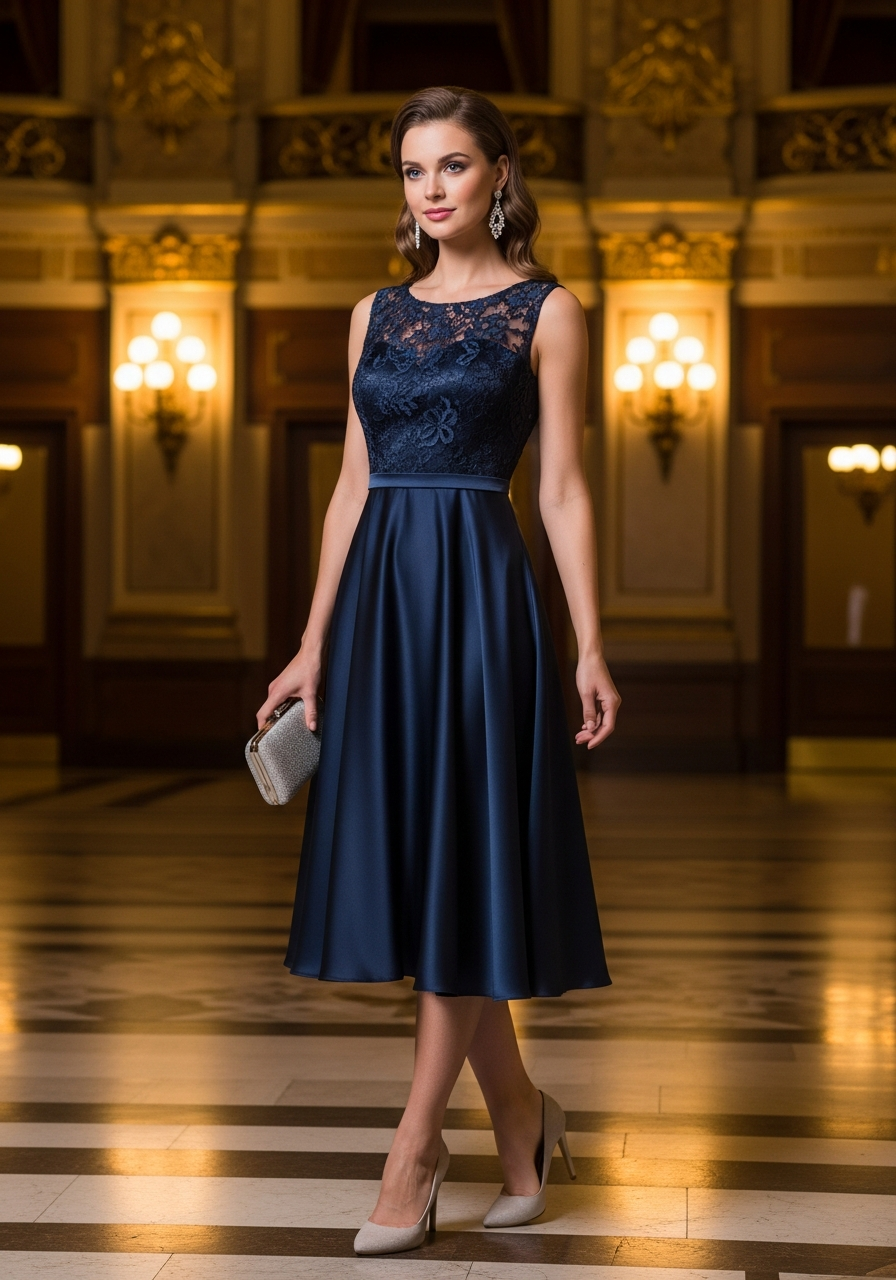
When considering opera outfits for women, elegance is paramount. For black-tie events, a floor-length gown in luxurious fabrics like silk, velvet, or satin is the quintessential choice, exuding timeless sophistication. For slightly less formal, yet still distinguished, occasions, a sophisticated cocktail dress that falls below the knee, an elegant jumpsuit, or impeccably tailored separates (like a silk blouse with wide-leg trousers) can be stunning. Embrace classic color palettes such as black, navy, deep jewel tones, or subtle metallics, and consider tasteful patterns or delicate embellishments. Practical tips include prioritizing comfort, as you'll be seated for extended periods; consider layers for potentially fluctuating theater temperatures; and choose a silhouette that flatters your figure and allows for ease of movement. This approach ensures your formal event attire is both beautiful and practical.
For Him: Mastering the Art of Formal Wear
For men, mastering the opera dress code often starts with understanding the classic options. When the invitation specifies black-tie, a well-fitted tuxedo is essential. This includes a black dinner jacket, matching trousers, a white dress shirt
Keywords: opera outfits, what to wear to opera, opera dress code, formal event attire, evening wear guide
Meta Description: Navigate the world of opera fashion with MagicLookBook's comprehensive guide. Discover elegant ensembles for women and sophisticated styles for men, from black-tie to smart casual.